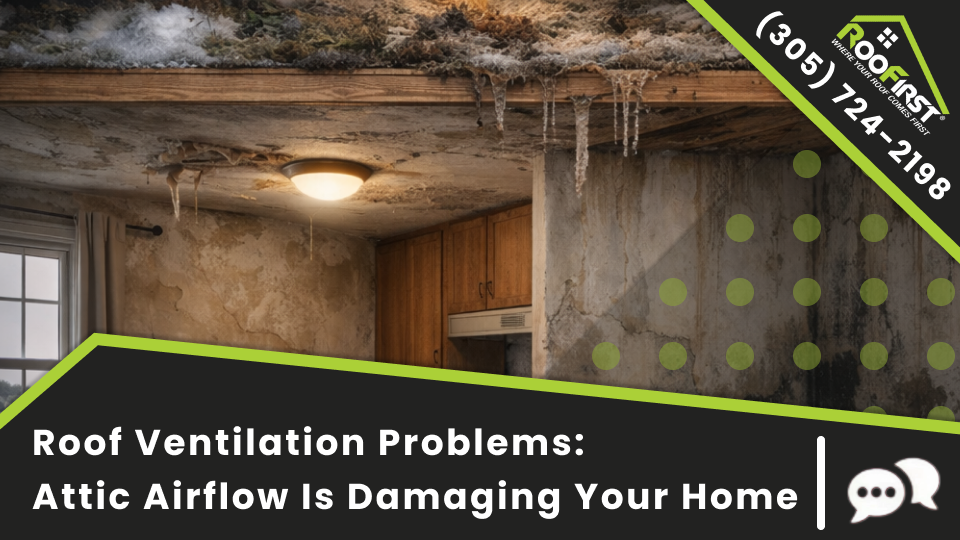
Roof ventilation problems are one of the most overlooked causes of roofing damage and indoor discomfort. Many homeowners focus on shingles and gutters but rarely think about attic ventilation issues or poor roof airflow. Without proper air circulation, attic heat buildup and trapped moisture silently strain roofing materials and increase energy costs. Over time, these conditions lead to premature aging, structural concerns, and the need for roof ventilation repair. When airflow problems persist, contacting a roofing contractor near you can help restore balance and protect your home year-round.
Most ventilation issues develop slowly. Because the damage happens out of sight, homeowners often don’t realize anything is wrong until repairs become expensive.
Understanding how roof ventilation works and recognizing early warning signs can prevent unnecessary costs and extend the life of your entire roofing system.
What Causes Roof Ventilation Problems in Modern Homes
Roof ventilation allows fresh air to enter the attic while pushing warm, moist air out. This steady exchange keeps temperatures balanced and prevents condensation.
A properly ventilated attic:
- Reduces heat buildup
- Controls moisture
- Protects insulation
- Extends shingle lifespan
- Improves energy efficiency
When airflow becomes restricted, the attic turns into a trapped environment where heat and humidity accumulate quickly.
That’s when roof ventilation problems begin affecting the rest of the home.
Why Proper Airflow Matters Year-Round
Many homeowners think ventilation only matters during summer. In reality, airflow affects your roof in every season.
Summer
Hot air collects in the attic and can exceed 140°F. This extreme temperature cooks shingles from below and stresses decking materials.
Winter
Warm indoor air rises and meets cold roof surfaces. Condensation forms and soaks wood and insulation.
Both conditions create long-term damage if attic ventilation issues are not corrected.
Balanced airflow protects the structure throughout the year.
Common Signs of Roof Ventilation Problems
Because attic spaces aren’t visited often, symptoms usually appear elsewhere first.
Watch for:
- Uneven indoor temperatures
- Higher energy bills
- Hot upstairs rooms
- Musty odors
- Moist insulation
- Mold spots in the attic
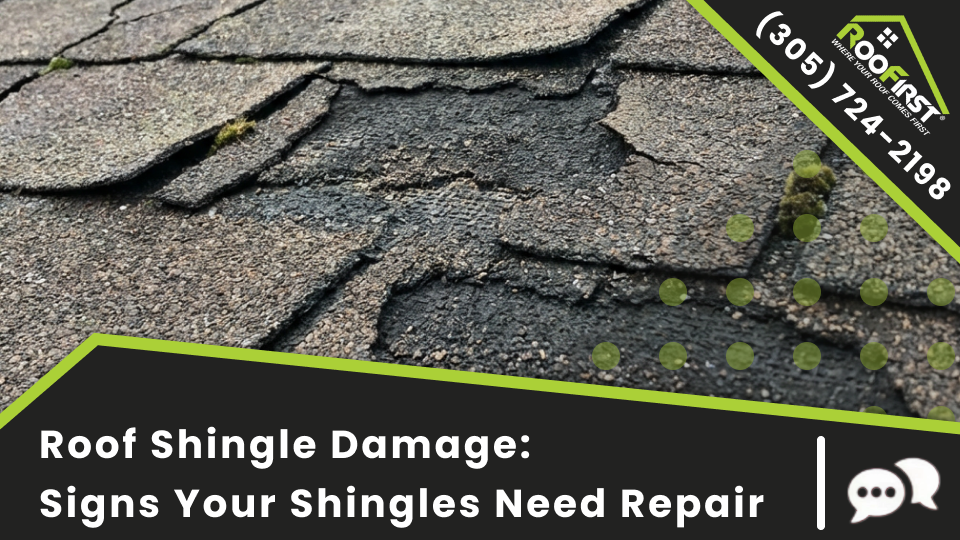
- Premature shingle wear
- Ice dams during winter
These signs often indicate poor roof airflow rather than problems with heating or cooling equipment.
Scheduling an inspection early can prevent bigger repairs later.
Attic Heat Buildup and Trapped Attic Heat in Summer
Attic heat buildup is one of the most damaging effects of restricted ventilation. When hot air cannot escape, it radiates downward and upward at the same time.
This constant heat stress:
- Warps roof decking
- Weakens adhesive bonds in shingles
- Causes materials to age faster
- Shortens roof lifespan
In extreme cases, shingles may curl or crack years before their expected life.
Roof ventilation repair helps lower temperatures and reduce that stress.
Winter Attic Ventilation Issues and Moisture Damage
Heat isn’t the only concern. Moisture can be even more destructive.
Everyday activities like cooking, showering, and laundry release water vapor into the air. Without proper ventilation, that moisture rises into the attic and becomes trapped.
Over time, this can lead to:
- Mold growth
- Wood rot
- Rusted fasteners
- Damaged insulation
- Structural weakening
These hidden problems often go unnoticed until major repairs are required.
Good airflow allows damp air to escape before damage occurs.
Common Causes of Roof Ventilation Problems and Restricted Roof Airflow
Roof ventilation problems usually stem from installation mistakes or aging components.
Common causes include:
Roof Ventilation Problems: Blocked Soffit Vents
Insulation or debris prevents fresh air from entering the attic.
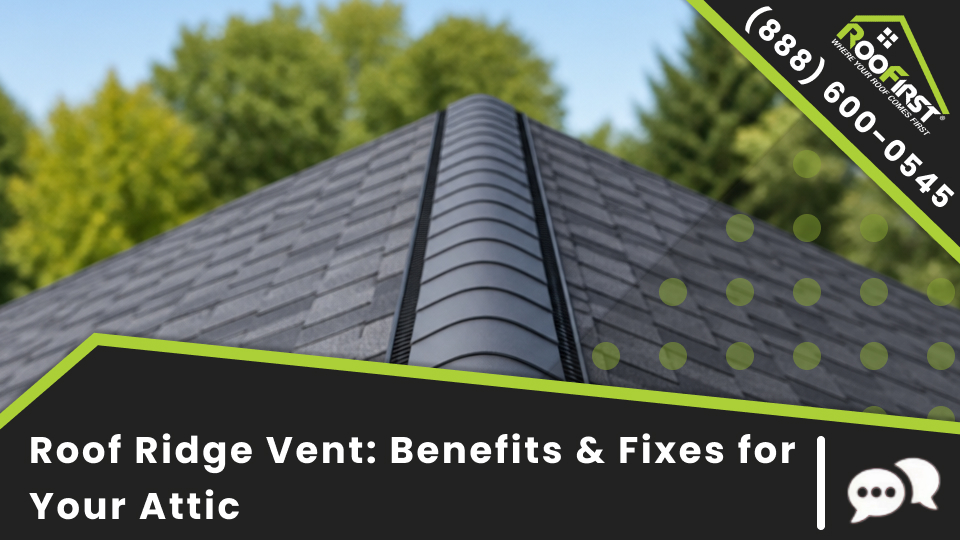
Roof Ventilation Problems: Missing Ridge Vents
Without exhaust vents, hot air has nowhere to escape.
Roof Ventilation Problems: Improper Vent Balance
Too many intake or exhaust vents disrupt airflow efficiency.
Roof Ventilation Problems: Aging Vent Covers
Cracked or damaged vents reduce performance.
Roof Ventilation Problems: Roofing Upgrades Without Vent Adjustments
New materials may change airflow needs.
Professional evaluation ensures the system is balanced correctly.
Why Roof Ventilation Repair Is Not a DIY Job
Ventilation systems rely on specific airflow calculations. Randomly adding or blocking vents can make problems worse.
DIY fixes may:
- Trap more moisture
- Create uneven pressure
- Void roofing warranties
- Cause structural damage
Roof ventilation repair requires experience and proper placement of intake and exhaust components.
A trained roofing contractor near you can determine the safest and most effective solution.
Energy Efficiency Benefits of Fixing Roof Ventilation Problems
Many homeowners don’t connect attic ventilation issues with energy bills. However, poor airflow forces HVAC systems to work harder.
A superheated attic transfers warmth into living spaces. Air conditioners must run longer to maintain comfort.
In winter, damp insulation loses effectiveness and allows heat to escape.
Correcting roof ventilation problems can:
- Lower monthly utility costs
- Reduce system strain
- Improve temperature consistency
- Extend HVAC lifespan
Better airflow leads to better comfort throughout the home.
When to Call a Roofing Contractor Near You
If you notice persistent comfort issues or visible attic concerns, it’s time to contact a professional.
A roofing contractor near you can:
- Inspect airflow patterns
- Evaluate vent placement
- Measure attic temperatures
- Check insulation condition
- Recommend ventilation upgrades
Early action prevents small issues from becoming expensive structural repairs.
Routine inspections are especially important for older roofs.
Preventing Future Ventilation Issues
Regular maintenance keeps airflow working efficiently.
Simple steps include:
- Clearing debris from vents
- Checking insulation placement
- Scheduling annual inspections
- Monitoring attic temperatures
- Addressing problems quickly
Consistent care helps your roof perform as designed.
Protect Your Home With Proper Ventilation
Roof ventilation problems may not be obvious at first, but their impact builds over time. Attic ventilation issues, poor roof airflow, and attic heat buildup slowly weaken roofing materials and raise energy costs. Ignoring these warning signs often leads to premature replacements and costly repairs.
Investing in timely roof ventilation repair keeps your roofing system healthy and efficient. If you suspect airflow concerns, working with a trusted roofing contractor near you ensures the problem is diagnosed and corrected properly. Balanced ventilation protects your roof, improves comfort, and helps your home stay strong in every season.
website: https://fl.roofirst.com/